
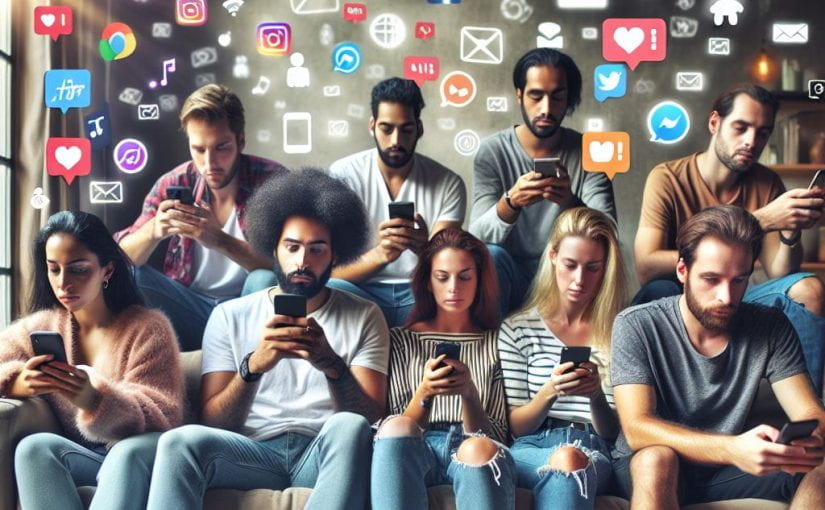
In today’s fast-paced, technology-driven world, digital media is ever-present, woven into the fabric of daily life through social media, smartphones, and online platforms. This over saturation of digital media has profoundly shaped modern society, influencing how we communicate, work, and unwind. Platforms and websites like YouTube, Twitch, TikTok, Amazon, Instagram, and Snapchat dominate entertainment, shopping, and social interaction, with users averaging 2.3 hours daily on social media alone (Zsila & Reyes, 2023). While digital media offers numerous benefits—facilitating connection, collaboration, and convenience—it also presents challenges, particularly to mental and physical health.
Living amidst constant connectivity, many find it difficult to balance the demands of a heavy workload with the allure of staying updated on the latest trends. Personally, as someone deeply immersed in technology, I strive to grow and learn continually. However, the relentless pace often leaves me stretched too thin, resulting in time away from my family and neglecting my own well-being. This busy lifestyle isn’t inherently a bad thing, but without balance and boundaries, it can detract from what truly matters. As a parent of daughters growing up in a digital age, and an educator of digital technology, I am committed to modeling healthy habits, helping them and others navigate digital media thoughtfully, and prioritizing time for family and personal growth.
We will explore the effects of digital media saturation on well-being, examining how a media-saturated environment impacts mental and physical health and identifying practical strategies to establish boundaries that safeguard health and improve quality of life. By addressing these issues, we aim to deepen our understanding of digital media’s influence and uncover ways to foster a healthier, more balanced relationship with technology.
The Impact of Digital Media on Mental Well-Being
Psychological Effects
As much as we enjoy being on our phones or spending time on our television screens, it is known that the excessive use of digital media has significant psychological consequences, contributing to heightened stress, anxiety, and feelings of loneliness. One major driver is the fear of missing out (FOMO), a problematic attachment to social media associated with negative experiences such as emotional tension, diminished sleep quality, and reduced life competency (Padmanabhan, 2023). Constant exposure to idealized online content causes social comparison, which can affect self-esteem and contribute to anxiety and depression in a person. For example, a Michigan State University study reported a 70% increase in depressive symptoms among heavy social media users, underscoring the risks of overuse (Padmanabhan, 2023).
Digital media also impacts interpersonal connections, as smartphone usage often disrupts meaningful face-to-face interactions. Research from the Homenet study revealed that even moderate internet use—three hours per week—was linked to increased depression and decreased social support (Padmanabhan, 2023). The emotional benefits of face-to-face interactions are diminished when devices compete for attention, leaving individuals feeling isolated and stressed.
Beyond emotional health, mental fatigue and cognitive overload are common outcomes of a digitally saturated environment. The constant stream of information can overwhelm the brain, reducing attention spans and limiting the mental downtime needed for self-reflection and effective information processing (Marquez, 2024).
Social and Emotional Effects
The overuse of digital media can also impact social interactions and emotional well-being, often reducing face-to-face connections and affecting emotional intelligence. Excessive reliance on digital communication can create emotional imbalances, as meaningful, in-person interactions are replaced by virtual exchanges (Padmanabhan, 2023). This shift can hinder the development of key social skills essential for maintaining strong relationships.
Some of these virtual exchanges can take place on social media as well as gaming and can contribute to self-esteem issues. Platforms that reward validation through likes, comments, and shares often encourage users to present curated, idealized versions of themselves and can be considered a form “digital narcissism” (Siahaan et al., 2023). This can further be displayed through the number of filtered selfies and carefully crafted posts, which promote upward social comparisons where individuals measure themselves against others they seemingly view as superior. These naturally addicting habits can lead to feelings of inadequacy, which therefore can lead to anxiety, depression, and build low self-esteem. In addition to manufactured social comparisons, negative feedback, such as critical comments or dislikes, can also trigger emotional distress. While constructive criticism can aid growth, hurtful remarks often require resilience and, in extreme cases, intervention to report cyberbullying, which affects 1 in 10 teenagers every two months (Siahaan et al., 2023).
Gaming introduces additional social challenges as some players with social anxiety or phobias create avatars that represent their ideal selves, enabling them to engage more confidently in virtual worlds (Padmanabhan, 2023). While this can be empowering, over-reliance on these digital personas may distance individuals from addressing their real-world challenges, establishing a sense of dependence on their online alter egos. Furthermore, gaming can sometimes provoke aggressive tendencies, particularly when players encounter criticism of their values or beliefs, reinforcing the need for emotional regulation in these spaces.
Behavioral Changes and Addiction
Much like the aggressive tendencies that could be developed while gaming, the widespread accessibility and convenience of digital platforms have also led to a rise in addictive behaviors and dependency on devices. Whether media consumption is through gaming, binge-watching movies and shows, or scrolling endlessly on social media, digital entertainment offers a constant stream of stimulating and engaging content that can detract from other essential activities. These habits often encroach on sleep, physical exercise, and time with loved ones, negatively affecting academic performance, physical health, and personal relationships. For instance, children addicted to gaming or excessive screen time may display language changes and declining focus in school or social interactions, along with the aggressive tendencies in behavior (Padmanabhan, 2023).
Social media platforms are particularly adept at creating dependency, using likes, comments, and notifications — as earlier discussed — to trigger dopamine-driven reward systems (Saba, 2024). This design encourages compulsive checking and extended screen time, often at the expense of productivity and emotional well-being. Similarly, the allure of binge-watching on platforms like Instagram reels or Netflix further increases this problem, taking hours away from meaningful pursuits and perpetuating a cycle of distraction and procrastination.
With this constant exposure to digital media, it’s not just about how much time we spend online, but the quality of our interactions. Passive scrolling through endless content often leaves us feeling drained, whereas meaningful engagement can have a more positive effect. These behavioral shifts highlight the need to be intentional with how we use digital media and to set boundaries that help us avoid the negative effects of over-dependence on technology.
The Impact of Digital Media on Physical Well-Being
Digital media’s influence on our mental state often extends to physical health, creating a profound ripple effect. Prolonged screen time can inhibit engagement in physical activities, causing a sedentary lifestyle. Since physical health is closely tied to mental well-being, challenges in one area can directly affect the other, influencing an individual’s overall lifestyle and social interactions. Strong mental health often supports better physical health, highlighting the importance of maintaining balance between the two.
Physical Concerns
One common issue is digital eye fatigue, caused by prolonged screen exposure and the harmful effects of blue light (Siahaan et al., 2023). This can result in eye strain, headaches, and decreased visual acuity, which may impair daily activities and increase the risk of eye complications, particularly in adolescents.
Poor posture is another consequence of excessive device use, leading to conditions such as text neck and carpal tunnel syndrome (Siahaan et al., 2023). Extended periods of physical discomfort, like back pain or chronic headaches, are linked to heightened levels of chronic inflammation markers, potentially increasing the risk of cardiovascular disease and other chronic illnesses.
Sleep disturbances are also prevalent. Excessive screen time, particularly before bedtime, disrupts natural sleep-wake cycles by suppressing melatonin release (Wheeler, 2023). Over time, this can lead to chronic sleep deprivation, insomnia, and cognitive impairments (Saba, 2024). Poor sleep not only affects emotional functioning, but can also increase daytime fatigue, further impairing productivity and overall health.
Prolonged stress can also often stem from mental health challenges linked to digital consumption and can elevate blood pressure and lead to hypertension (Siahaan et al., 2023). This condition not only impacts adults but is increasingly observed in younger individuals with the potential of long-term damage to vital organs like the heart and kidneys.
Lifestyle Impacts
As mentioned earlier, excessive screen time can contribute to decreased physical activity, promoting a sedentary lifestyle. The endless allure of scrolling or binge-watching can discourage exercise and encourage further unhealthy behaviors, such as irregular eating patterns and insufficient movement. This lifestyle can result in weight gain, increased BMI, and even obesity (Siahaan et al., 2023).
The sedentary nature of prolonged digital engagement also dampens the production of mood-regulating chemicals like serotonin and endorphins, exacerbating feelings of anxiety and depression (Saba, 2024). Together, these patterns highlight the critical need to establish healthier routines that prioritize physical activity and mindful digital consumption.
Strategies for Setting Boundaries and Protecting Health
Time Management Techniques
Effectively managing time in today’s digital age requires intentional strategies to balance technology use with other meaningful activities. Here are some practical techniques to enhance time management and foster healthier digital habits:
Implementing Screen Time Limits
Setting boundaries for social media use is key to reducing dependency. Utilize alarms or timers to monitor the time spent on social media daily and gradually build the habit of limiting usage. Tools such as built-in screen time trackers on devices allow users to set app-specific or overall usage limits, helping to identify and adjust excessive patterns (Siahaan et al., 2023).
To minimize distractions, adjust notification settings to only allow alerts for essential communications (Wheeler, 2023). Reducing unnecessary interruptions can improve focus and productivity. For a deeper impact, consider temporarily disconnecting from social media and replacing that time with face-to-face interactions, such as spending quality time with supportive family or friends.
Leveraging AI Tools
AI-powered tools can streamline repetitive tasks, enabling individuals to focus on activities that matter most. Whether it’s automating mundane responsibilities or managing schedules, these tools offer opportunities to reduce workload efficiently. However, the goal should not simply be to accomplish more but to allocate saved time to pursuit personal interests like hobbies, family-time, or self-care.
Scheduling Regular Digital Detoxes
Occasional digital detoxes can significantly reduce stress, improve sleep, and boost overall well-being. It is recommended to start small with brief periods of disconnection, like a few hours or a single day, and gradually increase the duration. For instance, reducing social media use to 30 minutes daily for two weeks has been shown to enhance sleep quality, lower stress, and increase life satisfaction (Coyne & Woodruff, 2023).
Taking trips or vacations where device usage is minimized can also provide an opportunity to reconnect with oneself and others in more meaningful ways. Such intentional breaks from technology can naturally impact stronger personal relationships and encourage greater engagement with the physical world.
Mindful Use of Technology
Practicing mindfulness in our interactions with technology allows us to regain control over digital habits and prioritize well-being. Here are some actionable strategies to promote intentional technology use:
Practicing Digital Mindfulness
Digital mindfulness involves being present and intentional while using devices. Engaging in mindfulness practices such as meditation or deep breathing exercises, can help to manage stress and resist the urge for constant digital stimulation.
It is recommended to take time to reflect on how your digital media habits impact a person’s mood, productivity, and relationships (Anandpara et al., 2024). This self-awareness can help to identify areas that require adjustment and guide healthier usage patterns.
Limiting Multitasking to Improve Focus and Reduce Stress
Multitasking can lead to fragmented attention and increased stress. Instead of constantly reacting to notifications, designate specific times to check your phone or social media. Structured breaks from notifications enhance focus on primary tasks, reducing stress and improving productivity (Wheeler, 2023).
Educational Tools and Resources for Digital Wellness
Numerous online platforms and resources (such as EdTech ‘N Ian!) can also help support the development of healthier digital habits and can assist individuals in creating well informed decisions about their technology use. For example, this blog offers guidance on digital literacy and wellness, while major technology providers like Apple, Google, and Microsoft provide dedicated resources to the technologies that most people use.
Google Digital Well-Being helps users manage their technology use and maintain balance in daily life. Dedicated for users with Android devices, it offers tools like screen time tracking, Focus Mode, Bedtime Mode, app timers, and parental controls. These features encourage mindful usage and healthier digital habits.
Apple Education is a forum designed for educators with the purpose for teaching and learning, particularly for those using Apple products like the iPhone. It covers a range of topics, including digital well-being, exploring Apple device tools and features, and other educational resources to support effective technology integration.
The Windows Learning Center is another resource offering a collection of articles and tutorials on Windows products, along with information and tools to support digital literacy.
Physical and Mental Health Practices
Balancing physical activity, sleep hygiene, and technology use is essential for maintaining overall well-being. Incorporating these strategies can help mitigate the effects of sedentary behavior and excessive screen time:
Regular Physical Activity and Exercise
Counteracting the negative effects of prolonged screen use starts with incorporating physical activity into daily routines. Finding hobbies that engage the body and mind, such as sports or outdoor adventures, can reduce reliance on social media while promoting a sense of freedom and comfort (Siahaan et al., 2023).
Examples of alternative activities include:
- Exercising or meditating to relieve stress.
- Spending time outdoors, enjoying fresh air and nature.
- Exploring creative pursuits like painting, writing, or gardening.
These activities not only boost physical health but also enhance mental clarity and provide opportunities for meaningful connection with others.
Ensuring Quality Sleep Hygiene
Establishing good sleep hygiene is also vital for mental and physical health. Screen use late at night can disrupt natural sleep cycles by delaying the release of melatonin, a hormone essential for restful sleep (Wheeler, 2023). To improve sleep quality, it is recommended to:
- Set a cut-off time for device use, at least 1-2 hours before bed.
- Create a calming pre-sleep routine, such as reading, meditation, or gentle stretching, to help your body transition into rest mode.
- If device use is necessary in the evening, enable blue light filters or use blue light-blocking glasses to minimize disruption to your circadian rhythm.
Using Technology for Health Tracking
Earlier, we discussed that while excessive screen time can negatively impact mental and physical health, using technology mindfully and productively can help maintain overall well-being. Numerous tools are available to support healthier lifestyles, particularly in promoting physical health:
- Fitness Trackers: Devices like the Apple Watch and Fitbit monitor activity levels, heart rate, and sleep patterns, helping users stay active and maintain balance.
- Sleep Monitors: Apps and wearables can also analyze sleep quality, providing insights to help establish healthier nighttime habits.
- Mental Health Apps: Software applications like Apple’s Mindfulness app and the Calm app offer guided meditations, mindfulness exercises, and stress management tips, empowering users to prioritize mental well-being.
Social and Emotional Well-Being
Establishing boundaries with social media is essential for maintaining emotional balance and can build toward developing a healthier relationship with technology. Regularly reviewing and refining the content and accounts people follow helps to ensure their feed promotes positivity and enrichment. By curating this online experience, people can reduce exposure to harmful or unproductive content.
For those seeking more significant change, individuals should consider temporarily or permanently stepping away from social media. These strategies include uninstalling apps from devices, avoiding purchasing data packages, or spending time in areas without Wi-Fi access (Siahaan et al., 2023). These measures can naturally reduce the intensity of social media use, creating space for other fulfilling activities.
Additionally, prioritizing face-to-face interactions can enhance emotional well-being. This can be done by designating specific areas in a person’s home, such as the dining room or bedroom, as device-free zones. This practice not only encourages meaningful conversations with loved ones but also promotes better sleep hygiene (Wheeler, 2023).
Making these conscious efforts to engage in in-person activities and conversations with friends and family helps strengthen personal relationships, provide emotional support, and contribute to a sense of community and belonging. Prioritizing offline connections can establish a healthier balance between the digital and physical worlds.
Conclusion
In conclusion, while digital media and social media can have negative impacts on both mental and physical health, it is important to acknowledge the positive aspects as well. Digital media has the potential to contribute to mental well-being by providing opportunities for social connections, building efficiency in workflows, providing peer support, leisure entertainment, and creating spaces for meaningful discussions around health challenges or life events. These online communities can offer a sense of belonging and emotional support, reducing feelings of stigmatization (Zsila & Reyes, 2023). Positive interactions, mutual friendships, and even humor on social platforms can also help alleviate stress and promote well-being.
However, to fully benefit from these advantages, it is crucial to set boundaries and take control of our digital habits. By implementing mindful practices, establishing limits on screen time, taking breaks for digital detoxes, and prioritizing activities that support well-being, we can create healthier digital environments and improve our overall quality of life. These steps will encourage more face-to-face interactions, strengthening our relationships with loved ones. Achieving this balance can foster a sense of satisfaction for all individuals, enhancing self-esteem and leading people toward a more positive perception of themselves and their lives.
References
Anandpara, G., Kharadi, A., Vidja, P., Chauhan, Y., Mahajan, S., & Patel, J. (2024). A comprehensive review on Digital Detox: A newer health and wellness trend in the current era. Cureus. https://doi.org/10.7759/cureus.58719
Coyne, P., & Woodruff, S. J. (2023). Taking a break: The effects of partaking in a two-week social media digital detox on problematic smartphone and social media use, and other health-related outcomes among young adults. Behavioral Sciences, 13(12), 1004. https://doi.org/10.3390/bs13121004
Marquez, P. V. (2024, March 12). Mental health and wellbeing risks from rising digital and social media usage. PV Marquez. http://www.pvmarquez.com/socialmediausagementalhealth
Padmanabhan, T. (2023). A study of Health and technology use: impact of digital media on Mental Health. Tuijin Jishu/Journal of Propulsion Technology, 44(4), 2769–2775. https://doi.org/10.52783/tjjpt.v44.i4.1349
Saba. (2024, August 1). How does social media affect mental health? understanding the impact and finding balance. Take Root Therapy. https://www.losangelesmftherapist.com/post/how-does-social-media-affect-mental-health-understanding-the-impact-and-finding-balance/
Siahaan, L. I., Hanoum, M., Syukur, M., Alimuddin, A., & Wijayanti, L. A. (2023). Human behavior in the digital age: Study of social media users’ behavior and its impact on mental and physical health in the future. ENDLESS: INTERNATIONAL JOURNAL OF FUTURE STUDIES, 6(1), 209–223. https://doi.org/10.54783/endlessjournal.v6i1.138
Wheeler, T. (2023, May 5). What is a digital detox?. WebMD. https://www.webmd.com/balance/what-is-digital-detox
Zsila, Á., & Reyes, M. E. (2023). Pros & Cons: Impacts of social media on Mental Health. BMC Psychology, 11(1). https://doi.org/10.1186/s40359-023-01243-x