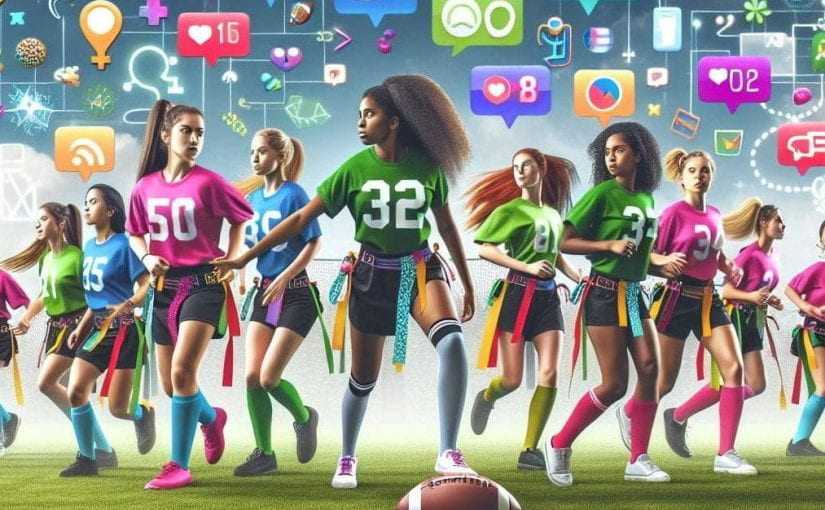
Driving Growth: Digital Advocacy for Girls’ Flag Football 

In American culture, football reigns supreme as the most watched and beloved sport, captivating audiences with dazzling plays, flashy moves, breathtaking catches, and game-changing defensive highlights. This excitement inspires countless young athletes to compete, yet the violent nature of tackle football, with its high-impact collisions, has long excluded many from safely participating. Flag football, which emerged as a recreational game for American soldiers during World War II, offers a compelling alternative: it preserves the strategic and athletic essence of football without the physical toll, opening the door for more players to participate (Flag Football: Olympic History, n.d.). Over decades, its popularity has surged, becoming a staple for youth athletes and eventually earning a spot in the 2028 Summer Olympics, signaling its rise as a global phenomenon (PlayLikeaGirlHub, 2024). 

Among those embracing this shift are young girls eager to compete, and this surge in popularity presents new opportunities. Yet, football’s deeply entrenched “masculine” identity has historically pushed girls to the sidelines, limiting their access to teams, resources, and recognition. In recent years, this narrative has begun to change as advocates, including the NFL, leverage digital platforms to spotlight girls’ flag football, building visibility and momentum for the sport. Digital tools — such as social media campaigns, email outreach, online petitions, and community engagement platforms — have become powerful avenues for driving change. To sustain this growth, educators can equip young female athletes with digital literacy skills, empowering them to use these tools to advocate for social change, including the expansion and growth for girls’ flag football. 

Gender Equity and the Rise of Girls’ Flag Football 

Gender Equity in Sports 

Gender equity has been a longstanding issue, with women historically facing obstacles in relationships, careers, education, and athletic opportunities. While Title IX was enacted in 1972 to ensure equal educational opportunities, it became a pivotal force in expanding access to sanctioned sports for women (Senne, 2016). Despite this progress, societal norms continue to cast women as fragile, less capable, and passive, reinforcing stereotypes that hinder their full participation in athletics. 

Sports, particularly American football, have traditionally been viewed as a masculine entity, with women seen as intruding on male boundaries (Senne, 2016). This perception ultimately places female sports as secondary to male sports and significantly impacts equity issues such as media coverage, leading to fewer sponsorships and lower pay scales for female athletes compared to their male counterparts. Limited media visibility not only affects professional athletes but also diminishes opportunities for young girls to be inspired and encouraged to pursue certain sports. 

For girls aspiring to play football, these barriers can be particularly discouraging. This cultural bias, known as gender marking, reinforces the idea that male sports are the default, which also perpetuates feelings of exclusion (Senne, 2016). In co-ed flag football, girls often report being sidelined, with boys dominating key positions like quarterback and receiver. This dynamic leaves female athletes feeling overlooked and disheartened, reinforcing societal expectations rather than challenging them (Kahan, 2008). 

To address these inequities, separating boys’ and girls’ teams has emerged as a necessary step to create supportive environments where female athletes can build confidence and thrive. By establishing dedicated opportunities for girls to play flag football, educators and advocates can foster an inclusive space where young athletes feel valued, empowered, and connected to one of America’s most popular and beloved sports. Additionally, leveraging digital tools to market the game and raise awareness can help increase its visibility and engagement. This approach not only sparks interest in the sport but also challenges gender stereotypes and supports long-term equity in athletics. 

The Rise of Girls’ Flag Football 

Over the decade, flag football has rapidly become one of the fastest-growing sports for women and girls. Across the U.S., girls-only recreational leagues have been established in most cities and suburbs, and the sport has been sanctioned in select high schools (PlayLikeaGirlHub, 2024). This growth is a promising sign, creating new pathways for young female athletes to develop their skills while challenging traditional gender norms in sports. 

A key driver of this rise has been the NFL, which has played a significant role in promoting girls’ flag football. From 2019 to 2023, female participation increased by 63% (Nutter, 2024). By late 2024, over 40% of youth flag football players in the U.S. were girls, reflecting a shift toward more inclusive participation (PlayLikeaGirlHub, 2024). High-profile digital campaigns, including this Super Bowl LIX ad, have further amplified the movement, inspiring countless young athletes and bringing national attention to the sport. 

The inclusion of flag football for both men and women in the 2028 Summer Olympics is another significant milestone for the sport (PlayLikeaGirlHub, 2024). This recognition is expected to fuel further growth, potentially leading to flag football becoming a sanctioned high school sport in all states. The expansion also offers exciting prospects for athletes to develop their skills beyond high school, such as the rise of professional women’s flag football leagues and sanctioned collegiate competition. Professional leagues like the Women’s Flag Football League (WFFL) and Pro Flag Football, along with collegiate organizations like the NAIA and NCAA, are working toward broader recognition and sanctioning (Nutter, 2024). 

The growing momentum behind girls’ flag football is about more than just expanding athletic opportunities; it’s a cultural shift in the making. With ongoing support from organizations like the NFL and the Olympic Committee, girls are being empowered to break down barriers, redefine what it means to be an athlete, and change the way we think about women in sports. This movement isn’t just shaping the future of football; it’s a powerful reminder of how digital advocacy can drive meaningful social change. 

Digital Advocacy to Grow Girls’ Flag Football 

Tech-Driven Advocacy 

Traditional advocacy methods like newspaper, radio, and television campaigns have faded in effectiveness, often yielding low response rates and wasted resources (Minoi et al., 2024). In today’s digital landscape, emerging technologies offer a more powerful approach to fuel social movements, including the push for girls’ flag football. Digital advocacy taps the internet’s reach to connect people instantly, spreading messages around the globe. Platforms like X, YouTube, Instagram, and Facebook enable hashtag-driven campaigns—such as #GirlsFlagNow—where advocates share stories, unite supporters, and spark conversations (Minoi et al., 2024). 

Beyond social media, tools like infographics, videos, and online petitions amplify visibility and encourage immediate action, from signing up to joining the cause. These resources break down access barriers, empowering young girls not just to play flag football but to champion its growth. This digital space fosters an open environment, connecting isolated advocates and building momentum for broader acceptance of the sport in schools and communities. 

Data Analytics to Enhance Digital Advocacy 

Understanding data analysis can enhance digital advocacy by refining strategies and maximizing campaign impact. Data-driven approaches enable advocates to tailor messages for specific audiences, increasing engagement and effectiveness. Analytics reveal which platforms, content types, and messaging styles resonate most with supporters, streamlining outreach efforts. Through data mining frameworks, advocates can identify patterns and trends to inform decision-making (Minoi et al., 2024). For instance, analyzing social media metrics, such as engagement rates, user behaviors, and demographics, can reveal how to best reach school boards or inspire young athletes for girls’ flag football. 

Another key factor is public opinion. The “spiral of silence” theory suggests that people are less likely to voice their opinions if they feel they are in the minority (Minoi et al., 2024). While this presents challenges in online spaces, it also offers an opportunity. Data can be used to create a more inclusive and welcoming environment, shifting conversations to prioritize equity and making individuals feel more comfortable expressing their views. By understanding how people engage with content and whether they feel empowered to share their opinions, advocates can better gauge the effectiveness of their digital advocacy efforts. 

By using data to analyze trends, measure impact, and predict outcomes, advocates can continuously refine their approach to driving social change. This data-driven insight helps maintain a strong connection with the audience, enabling adjustments that make campaigns for girls’ flag football more impactful and effective. 

As outlined in my other article on Data and Logic in Digital Literacy, digital literacy skills, such as the ability to understand and use data effectively, are crucial for becoming stronger decision-makers. These skills are especially relevant for youth advocates who are striving to promote social change, such as expanding opportunities for girls in sports. The intersection of digital literacy and data analytics not only strengthens individual campaigns but also empowers young athletes and advocates to make informed decisions about the future of girls’ flag football. 

Teaching Digital Tools for Advocacy 

Building a Digital Literacy Foundation 

A strong foundation in digital literacy is vital for both students and young athletes to effectively advocate for social change. As noted earlier, digital tools empower individuals to spread messages, influence opinions, and rally support for causes like girls’ flag football. But success isn’t just about having basic internet skills—it’s about using technology responsibly, strategically, and ethically. Educators play a key role in teaching students how to leverage these tools for real-world advocacy, ensuring they can create meaningful change with confidence and integrity. 

Applying Digital Literacy to Advocacy 

Teaching digital literacy goes beyond simply mastering tools; it’s about using them to drive change. Educators can equip students and young athletes with the practical skills needed for effective advocacy in today’s digital world. 

  • Graphic Design: Tools like Canva allow students to craft striking visuals, such as posters or infographics, to boost awareness. For example, a young athlete might design a vibrant infographic showcasing flag football’s accessibility, sharing it online or presenting it to school officials to ignite interest and support. 
  • Content Creation: Platforms like WeVideo enable students to tell compelling stories through video. A clip of girls excelling in flag football, paired with a narrative challenging stereotypes, can make a persuasive case for the sport’s growth. 
  • Social Media Management: Mastery of social media platforms lets students reach wide audiences strategically. Posting highlights on Instagram or launching a #GirlsFlagNow campaign on X can connect young athletes with peers, parents, and decision-makers, amplifying their movement. 

Beyond these skills, educators must embed digital citizenship into social media training, teaching students and athletes to manage content ethically. As digital engagement deepens, it’s essential to understand how to navigate online communities, spot bias, and to communicate responsibly. My articles on Digital Citizenship and Ethics highlight these principles, ensuring advocacy remains effective and practiced with integrity. 

Hobbs’ Model for Digital Advocacy 

Educators can guide students and athletes in merging digital literacy with advocacy through Hobbs’ model, which outlines five competencies for media engagement (Sanfelici & Bilotti, 2022): 

  • Access: Students learn to select and use tools skillfully, sharing accurate, relevant information. For instance, choosing X to post flag football stats ensures the message reaches the right audience effectively. 
  • Analyze and Evaluate: They critically assess content, questioning biases in girls’ sports media to ensure advocacy rests on solid evidence. 
  • Create: Athletes produce tailored content, like a captivating flag football video, to engage audiences and advance their goals. 
  • Reflect: Ethical reflection shapes their messaging, aligning it with honest, respectful digital conduct rooted in their experiences. 
  • Act: They advocate individually or in teams by sharing knowledge and addressing issues like gender equity in sports. A collaborative #GirlsFlagNow campaign, for example, could spread from local schools to national platforms, amplifying the cause. 

Hobbs highlights how these competencies create a “spiral of empowerment,” promoting active participation in lifelong learning through both creating and consuming messages (Sanfelici & Bilotti, 2022). This approach, grounded in constructivist principles, emphasizes hands-on application. By integrating these skills, educators empower students and athletes to become skilled digital creators and advocates, amplifying causes like girls’ flag football and extending their impact. 

Conclusion 

The rise of girls’ flag football marks a cultural shift toward greater gender equity in sports, breaking down long-standing stereotypes and creating new opportunities for female athletes. With digital advocacy amplifying the movement, young athletes and their supporters can use social media, data analytics, and content creation to spark real change. Teaching students’ digital literacy equips them to share their stories, rally their communities, and push for more recognition and resources for girls’ flag football. The support of the NFL and the sport’s inclusion in the 2028 Olympics signal a bright future, but lasting progress will depend on continued advocacy and education. By helping students harness technology for activism, educators can empower the next generation of athletes to shape the future of sports by keeping equity, inclusion, and opportunity at the heart of the movement. As girls’ flag football continues to gain momentum and global recognition, it stands as a powerful reminder that when passion meets purpose, the possibilities for change are endless. 


Reference 

Flag Football: Olympic History. (n.d.). Olympics.com. Retrieved March 9, 2025, from https://www.olympics.com/en/sports/flag-football/ 

Kahan, D. (2008). Modifying Flag Football for Gender Equitable Engagement in Secondary Schools. Physical Educator, 65(2), 100–112.  

Minoi, J.-L., Suleiman, N., & Purnomo, R. A. (2024). Digital Advocacy Strategies with Data Analytics Framework: A Case Study for Effective Campaigns. Journal of Advanced Research in Applied Sciences and Engineering Technology, 54(2), Article 2. https://doi.org/10.37934/araset.54.2.157171 

Nutter, O. (2024, November 4). Flagging Down the Future: Why It’s Time to Invest in Women’s Flag Football. Athletic Directors 411. https://athleticdirectors.industry411.com/why-its-time-to-invest-in-womens-flag-football/ 

PlayLikeaGirlHub. (2024, November 25). Flag Football: A Game Changer for Women and Girls. Play Like a Girl. https://iplaylikeagirl.org/stories/flag-football-a-game-changer-for-women-and-girls/ 

Sanfelici, M., & Bilotti, A. (2022). Teaching Social Advocacy in the Digital Era: An Experimental Project. Italian Journal of Sociology of Education, 14(02/2022), 227–245. https://doi.org/10.14658/pupj-ijse-2022-1-13 

Senne, Joshua A. (2016, February 26). Examination of Gender Equity and Female Participation in Sport. The Sport Journal. https://thesportjournal.org/article/examination-of-gender-equity-and-female-participation-in-sport/ 

The Engineering Design Process: A Blueprint for Real-World Problem Solving

In today’s rapidly evolving world, the ability to solve complex, real-world problems is an essential skill for students to develop. Problem-solving not only prepares them for careers in science, technology, engineering, and mathematics (STEM), but it also equips them with the creativity, resilience, and critical thinking necessary to tackle everyday challenges. One of the most effective tools for fostering these skills is the Engineering Design Process (EDP), a structured, iterative framework that guides students through defining problems, generating solutions, and refining their designs based on feedback (Moore et al., 2014). By emphasizing hands-on learning, collaboration, and continuous improvement, the EDP helps students connect classroom concepts to real-world applications, making learning both meaningful and engaging. 

The Engineering Design Process (EDP): An Overview 

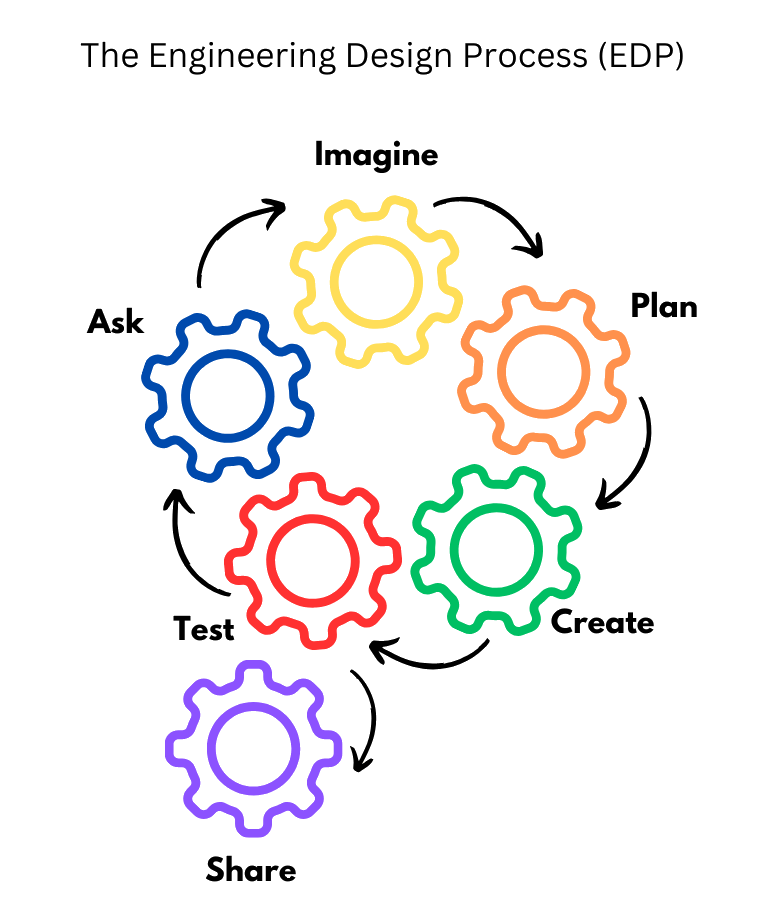
The Engineering Design Process is a structured, iterative approach to problem-solving that helps students tackle complex challenges by guiding them through a series of defined steps (Leo, 2024). Unlike a linear problem-solving method, the EDP encourages continuous refinement, allowing students to learn from their mistakes and improve their solutions over time. Depending on the source, the EDP steps may be broken down slightly different, but I will simplify the process into these six key stages:

This image has an empty alt attribute; its file name is Ask.png
  1. Ask – Identify and define the problem, gather relevant information, and understand any constraints. 
  1. Imagine – Brainstorm possible solutions, encouraging creativity and multiple approaches. 
  1. Plan – Develop a strategy by selecting the best solution and outlining the necessary steps. 
  1. Create – Build a prototype that reflects the design and meets the requirements. 
  1. Test and Improve– Put the prototype into action, iterate and refine the solution based on feedback and testing results. 
  1. Share – Communicate findings, share results, and reflect on the process. 

What Makes the EDP Effective? 

One of the biggest strengths of the EDP is its iterative nature. Instead of following a simple, one-and-done approach, students go through repeated cycles of testing and improvement. This process helps them refine their understanding of the problem, identify weaknesses in their initial designs, and develop stronger solutions (Leo, 2024). It also reinforces resilience, teaching students that setbacks aren’t failures but opportunities for growth. 

Another key feature is its real-world focus. The problems students tackle aren’t just theoretical—they’re grounded in practical contexts. Whether designing an energy-efficient home or improving an everyday product, students engage in meaningful work that connects directly to real-world challenges. 

Finally, the EDP promotes collaboration and creativity. Students work in teams, combining different perspectives to develop and refine their ideas. This teamwork encourages communication, critical thinking, and innovation—skills that are valuable not only in STEM fields but in any career. By using the EDP, students don’t just learn problem-solving techniques; they gain hands-on experience in working through challenges in a way that goes beyond the classroom. 

How the EDP Helps Students Define Problems 

One of the most important aspects of problem-solving is making sure the problem is clearly defined before jumping into solutions. The EDP provides students with a structured way to break down complex issues into manageable components. This foundational step helps students develop skills in critical thinking, creativity, and collaboration, ensuring that students don’t just solve problems but solve the right problems effectively (Moore et al., 2014). 

The first stage of the EDP, Ask, is where students identify the problem, consider constraints, and determine the criteria for success. This stage encourages students to ask essential questions: 

  • What is the problem or need? 
  • Who has the problem or need? 
  • Why is it important to solve? 

From their responses, they can then write a clear problem statement using the “WHO needs WHAT because WHY” format (Engineering Design Process, n.d.). 

For example: 

“Shoppers need a more durable and eco-friendly grocery bag because current options rip easily or require using multiple bags, leading to waste and inconvenience.” 

By explicitly defining the problem and considering its real-life limitations—such as budget, material durability, and environmental impact—students learn to think critically about what makes a solution effective and practical. 

Developing Problem-Solving Skills Through Research and Planning 

Once students have clearly defined the problem, the Imagine and Plan steps guide them through background research and specifying requirements. This stage helps students: 

  • Learn from existing solutions to avoid common mistakes. 
  • Identify key characteristics their design must meet. 
  • Determine whether specific features are both necessary and feasible. 

For example, in designing a reusable shopping bag, students might identify the following requirements: 

  • Handles for easy carrying. 
  • Durability to hold at least five pounds of groceries. 
  • Cost-effective materials, keeping production under five cents per bag. 
  • Eco-friendly components to promote environmental safety. 

By brainstorming multiple solutions and comparing how well each one meets these criteria, students learn to evaluate trade-offs rather than settling for the first idea they think of (The Engineering Design Process: Brainstorm Multiple Solutions, n.d.). They begin to understand that every design has strengths and weaknesses, and the best solutions balance different factors like cost, efficiency, and user needs. 

Bridging the Gap: How Experts Approach Problem Definition 

One of the biggest challenges for students learning the EDP is understanding how much time should be spent defining the problem. Research shows that expert engineers and designers spend significantly more time defining the problem before considering solutions, while students often rush into brainstorming without fully understanding constraints and requirements (Atman et al., 2007). Key differences include: 

  • Experts take time to research user needs, constraints, and technical limitations, while students often rely on limited information and assumptions. 
  • Experts explore multiple potential solutions, weighing trade-offs, while students tend to focus on a single idea too soon. 
  • Experts balance their time across defining the problem, brainstorming solutions, and refining their designs, while students often get stuck on a single phase and struggle to move forward. 

To close this gap, educators should emphasize reflection, research, and iteration, while also providing feedback in problem-solving (Atman et al., 2007). Teaching students to analyze constraints, seek feedback, and explore alternative solutions will help them approach challenges in a way that mirrors real-world problem-solving. 

How the EDP Helps Students Refine Problems 

While defining problems is a critical first step, the true power of the EDP lies in its ability to help students refine their understanding and solutions through iterative design and learning from failure. One of the most valuable lessons from the EDP is that failure isn’t the end of the road, it’s part of the journey. The EDP’s iterative approach teaches students that setbacks aren’t obstacles; they’re opportunities to refine their thinking, improve their designs, and develop persistence. When failure is framed as a normal and necessary step in problem-solving, students build resilience and a willingness to keep going. This can be demonstrated within the Testing and Improving step. 

How Students Respond to Design Failure 

Students respond to failure in different ways. Some see it as a challenge to overcome, while others get discouraged and hesitate to continue. Research shows that how teachers frame failure has a huge impact on how students react (Lottero-Perdue & Parry, 2017). When failure is treated as a normal part of the engineering process, students are more likely to persist, refine their designs, and develop resilience. But if they see failure as a personal shortcoming, they may disengage or struggle to move forward. Teachers who normalize setbacks and provide constructive feedback help students shift into a problem-solving mindset, encouraging them to approach challenges with curiosity and persistence (Lottero-Perdue & Parry, 2017). 

That’s why educators need a range of strategies to help students navigate failure. In some cases, stepping in with probing questions or targeted feedback can help guide them in the right direction (Lottero-Perdue & Parry, 2017). Other times, it’s more effective to step back and let students work through challenges on their own, giving them the space to struggle productively and develop stronger problem-solving skills. 

Encouraging Students to Refine Their Understanding 

The iteration process in the EDP challenges students to re-evaluate their initial ideas, reconsider constraints, and refine their solutions. After reflecting on failures from the Testing and Improving stage, they cycle back to the Ask, Imagine, and Plan stages, where they can redefine questions, research user needs, analyze both their tested solutions and existing alternatives, and redefine key design requirements. This approach mirrors how real-world engineers continuously refine their work. 

One thing to keep in mind is that research also shows experts naturally revisit and refine their designs, while students often struggle with the revision process (Atman et al., 2007). Many students tend to push forward instead of reassessing their work, which can result in incomplete or ineffective solutions. 

To help students develop a more iterative mindset, educators can provide scaffolding such as structured templates or checklists that prompt deeper reflection and refinement (Workosky, 2017). This approach helps break down complex tasks into manageable steps, keeping students on track and focused on solving the problem. It also ensures that the iterative process feels approachable rather than overwhelming. 

Incorporating peer reviews and reflection prompts also encourages students to slow down and critically evaluate their choices. By making iteration a fundamental part of the problem-solving process, students not only enhance their technical solutions but also build essential skills like resilience, adaptability, and critical thinking. 

The Role of Collaboration and Feedback 

Collaboration is another key component of the EDP, as it encourages students to share ideas, challenge assumptions, and refine their solutions together. Working in groups allows students to approach problems from multiple perspectives, leading to more innovative and well-rounded solutions (Moore et al., 2014). This process helps students develop essential communication and teamwork skills, which can also be very applicable to their future careers. 

Beyond simply working together, the EDP requires students to articulate their ideas and justify their design choices. Educators can support this by facilitating discussions where students explain their reasoning, respond to peer questions, and refine their thinking based on group feedback (Workosky, 2017). Through these conversations, students strengthen their ability to analyze problems critically and defend their decisions. 

Feedback plays a crucial role, particularly during the Testing and Improvement stage. Whether it comes from teachers or peers, constructive feedback helps students refine their designs and deepen their understanding of the problem they’re trying to solve. When failure happens—whether a design doesn’t work as expected or falls short in some way—the way it’s framed makes all the difference. Teachers who focus on growth and iteration, rather than just pointing out mistakes, help students build resilience and develop a problem-solving mindset. 

Research continues to emphasize how we talk about failure in the classroom. Using “fail words” intentionally and with context can shift students’ perspectives, moving failure from something to avoid to something that’s simply part of the learning process (Lottero-Perdue & Parry, 2017). When students see setbacks as opportunities to improve, they’re more likely to persist, adapt, and refine their solutions with confidence. 

Integrating the EDP with STEM for Real-World Applications 

As you’ve probably gathered so far from this article, the EDP is most effective when applied to real-world problems. By emphasizing hands-on, experiential learning, the EDP naturally supports STEM education, helping students build critical thinking and problem-solving skills that go beyond the classroom (Workosky, 2017). When students design, build, and test prototypes, they’re not just following a set of steps—they’re actively applying scientific concepts in practical ways. This approach deepens their understanding of STEM principles and equips them with the skills needed to tackle complex, real-world challenges. 

The Role of Experiential Learning 

The EDP’s emphasis on hands-on learning aligns closely with Kolb’s experiential learning model, which emphasizes the importance of connecting abstract concepts to tangible experiences (Long et al., 2020). Research shows that when students engage in hands-on tasks that link STEM concepts to real-world applications, they gain a deeper understanding of the material. One study found that experiential learning not only increased knowledge retention but also boosted students’ intrinsic motivation, satisfaction, and overall interest in STEM subjects (Long et al., 2020). By incorporating experiential tasks into the EDP, educators can create a learning environment where students are more engaged and better equipped to tackle complex tasks. 

Encouraging Interdisciplinary Thinking 

Beyond just building prototypes, the EDP also encourages interdisciplinary thinking by having students integrate concepts from a range of disciplines, including science, technology, engineering, and mathematics. Real-world problems rarely exist in isolation—solving them often requires knowledge from multiple areas. By using the EDP as a framework, students learn to approach problems with a broader perspective, preparing them for the complexity they’ll face in real-world challenges (Moore et al., 2014). 

For instance, designing a sustainable energy solution might require students to apply knowledge of environmental science, electrical engineering, and economics. This interdisciplinary approach not only enhances their problem-solving skills but also prepares them for careers in fields where collaboration across disciplines is essential. 

Conclusion 

The Engineering Design Process is more than just a problem-solving framework—it’s a transformative approach to learning that equips students with the skills and mindset needed to thrive in a rapidly evolving world. By emphasizing iteration, collaboration, and real-world application, the EDP teaches students to define problems clearly, test solutions thoroughly, and refine ideas continuously. This process not only fosters resilience, creativity, and critical thinking but also helps students view setbacks as opportunities for growth rather than failures. 

Through hands-on, interdisciplinary projects, students connect classroom learning to real-world challenges, preparing them for careers in STEM and beyond. The EDP’s focus on experiential learning and interdisciplinary thinking ensures that students are not just passive learners but active problem-solvers who can adapt to new challenges and innovate in evolving situations. 

As educators continue to integrate the EDP into STEM curricula, they have the opportunity to empower students with the skills, confidence, and adaptability needed to contribute to the new innovative ideas and growth within their communities. By cultivating a culture of curiosity, collaboration, and continuous improvement, the EDP not only prepares students for future careers but also empowers them to make a meaningful impact on the world around them. 


Reference 

Atman, C., Adams, R., Cardella, M., Turns, J., Mosborg, S., & Saleem, J. (2007). Engineering Design Processes: A Comparison of Students and Expert Practitioners. Journal of Engineering Education, 96, 359–379. https://doi.org/10.1002/j.2168-9830.2007.tb00945.x 

Engineering Design Process. (n.d.). Science Buddies. Retrieved February 8, 2025, from https://www.sciencebuddies.org/science-fair-projects/engineering-design-process/engineering-design-process-steps 

Leo, G. (2024, January 12). Engineering Design Process Explained. Aria | Online Manufacturing For On-Demand Custom Services. https://www.madearia.com/blog/engineering-design-process-explained/ 

Long, N. T., Yen, N. T. H., & Van Hanh, N. (2020). The Role of Experiential Learning and Engineering Design Process in K-12 STEM Education. International Journal of Education and Practice, 8(4), 720–732. 

Lottero-Perdue, P., & Parry, E. (2017). Elementary Teachers’ Reflections on Design Failures and Use of Fail Words after Teaching Engineering for Two Years. Journal of Pre-College Engineering Education Research (J-PEER), 7(1). https://doi.org/10.7771/2157-9288.1160 

Moore, T., Glancy, A., Tank, K., Kersten, J., Smith, K., & Stohlmann, M. (2014). A Framework for Quality K-12 Engineering Education: Research and Development. Journal of Pre-College Engineering Education Research (J-PEER), 4(1). https://doi.org/10.7771/2157-9288.1069 

The Engineering Design Process: Brainstorm Multiple Solutions. (n.d.) Science Buddies. Retrieved February 8, 2025, from https://www.sciencebuddies.org/science-fair-projects/engineering-design-process/alternative-solutions

Workosky, C. (2017, October 24). The Engineering Design Process: A Middle School Approach | NSTA. NSTA. https://www.nsta.org/blog/engineering-design-process-middle-school-approach 

Integrating Faith, Education, and Technology: A Vision for Responsible Innovation

My journey in education and technology has encompassed diverse roles, from serving as a Digital Learning Teacher in K-12 school districts to working as an Academic Advisor in higher education, and later transitioning to IT as a Technology Analyst and Helpdesk Supervisor. This diverse experience has exposed me to a variety of perspectives allowing me to be empathetic towards others and has shaped my vision for leadership at the intersection of education and technology. Guided by my faith-based values, I have a natural desire to support educators and students in thoughtfully navigating educational technology, equipping them to integrate tools with integrity and purpose. 

Mission 

Following the ISTE Standards for Coaches in being a Digital Citizen Advocate, my mission is to empower educators, students, and communities to engage with educational technology in a way that is both responsible and meaningful. Rooted in faith, perseverance, and integrity, I want to encourage others to learn the tools and obtain the knowledge needed to navigate the digital world ethically, creatively, and collaboratively. By emphasizing stewardship, inclusivity, and accountability, I seek to honor God while supporting the growth and success of individuals and communities in both physical and digital spaces. 

Vision 

I strive to be a leader in contributing toward the transformation of education through innovative and ethical uses of technology, inspiring learners and educators to become confident digital stewards. My vision is a collaborative community where technology enhances meaningful learning, fosters creative problem-solving, and helps advance God’s Kingdom by reflecting His love and purpose in all that we do. 

Foster a Collaborative and Accountable Community 

Fellowship and Identity 

Building relationships and contributing to a community are fundamental aspects of our humanity. Dr. David Wicks and Dr. Michael J. Paulus, Jr. (2022) emphasize that at the heart of new creation lies the body of Christ—a community united by God’s gift of love and new life. As the apostle Paul writes to the Corinthians in 1 Corinthians 12:12, “For just as the body is one and has many members, and all the members of the body, though many, are one body, so it is with Christ” (English Standard Version [ESV], 2001). This form of community is built through fellowship, which provides purpose by allowing individuals to express their unique gifts while sharing them with the broader community. In fellowship, we find our sense of identity and belonging. 

Human identity is inherently relational. Our sense of self is shaped by the communities we’re part of—our families, geography, and social connections—which all play a key role in helping us feel like we belong (Burdett, 2013). In these relationships, we reflect the image of God, or imago Dei. Central to theological anthropology, the imago Dei affirms the sacredness of every individual and highlights the unique qualities that distinguish humans from other creatures as creators within God’s creation (Langford, 2022). As beings created in the image of the creator, we are called to engage in acts of creation ourselves, honoring God by developing ideas, tools, and technologies that glorify His name and support His Kingdom. 

The Christian bible begins with creation and ends with new creation (Langford, 2022). Within God’s creation, humans create new things and participate in God’s creation of a new world. Within this narrative, humans are invited to contribute to God’s ongoing work, including the responsible use and development of digital tools like AI. As emphasized in ISTE Standard 4.7.a, technology provides opportunities to address community challenges and inspire civic engagement. By integrating digital tools intentionally, we can foster creativity and innovation that solves real-world problems, promotes shared responsibility, and strengthens our sense of purpose. While technology has at times been misused, it remains a part of God’s creation. When meaningfully applied, it can serve as a powerful force for good within communities and God’s Kingdom. Creation reveals God’s character and nature, inviting us to collaborate in ways that reflect His love and purpose. 

Collaboration and Accountability 

In response to this calling, we strive to build a culture of belonging that values each person’s contributions through collaboration. Collaboration, defined as working with others toward a shared goal, resembles the fellowship God calls us to share with our neighbors (Wicks & Paulus, 2022). It fosters diversity, accountability, and shared responsibility in the learning journey, creating a supportive community where every individual’s gifts and perspectives can thrive. As Proverbs 27:17 reminds us, “Iron sharpens iron, and one man sharpens another” (ESV, 2001). Accountability helps us remain grounded, encouraging personal and spiritual growth while enabling us to adapt to societal changes such as technological advancements. 

Aligned with ISTE Standard 4.7.b, this culture of collaboration emphasizes inclusivity and a balanced approach to technology, ensuring that every voice is heard in a healthy digital environment. By fostering creativity while upholding accountability, we strengthen the community and encourage responsible technology use. Through this stewardship, we play a part in the transformation of God’s creation. 

Ultimately, we are not meant to walk alone but to journey together in community through collaboration and accountability. Digital technology provides a unique opportunity to form meaningful connections, share God’s love, and support one another through life’s challenges. By fostering collaboration and accountability, we reflect God’s creative and relational nature, empowering our communities to thrive in faith, learning, and innovation. 

Uphold Integrity and Stewardship in Technology Use 

God’s Responsibility for Us 

As beings created in God’s image, we are entrusted with the privilege and responsibility of stewardship over His creation. This responsibility, rooted in the concept of dominion, calls us to honor God, care for our neighbors, and safeguard the resources and relationships entrusted to us (Hyneman & Shore, 2013). Dominion, as described in Genesis, is not about domination or exploitation but about nurturing, preserving, and guiding creation to reflect God’s intentions. By exercising this stewardship with integrity, we demonstrate gratitude toward God and uphold the inherent dignity of all individuals. 

Practicing ethical technology use is a vital expression of this responsibility. Ethical practices ensure that personal data and digital resources are protected and treated with respect, fostering trust within our communities and aligning with God’s command to care for His creation. 

Guardianship and Protection 

God’s design for stewardship is presented in Genesis 2:15, when humans are commanded to “till” and “keep” creation. This reflects the Hebrew terms abad (‘to serve’) and shamar (‘to protect’), which emphasizes our duty to guard, nurture, and serve creation (Langford, 2022). This extends to the digital realm, where stewardship entails careful consideration of how technology is used and its impact on individuals and communities. Our guardianship must stem from love—love for God, others, and the world He made—expressed through practices that protect the vulnerable, promote flourishing, and reflect God’s care for everyone. 

ISTE Standard 4.7.d emphasizes the importance of supporting others in protecting their personal data. By equipping individuals with the tools and knowledge to safeguard their digital privacy and manage their digital footprints, we empower them to make informed, responsible decisions. These practices not only protect individuals but also model integrity and stewardship, inspiring others to create a safe and thriving digital environment. 

Similarly, ISTE Standard 4.7.c highlights the need to evaluate online content critically. With misinformation and biases pervasive in today’s media landscape, educators and students must develop skills to assess the accuracy, assumptions, and credibility of digital content. This vigilance helps create an ethical digital community where truth and respect prevail. Students are also encouraged to make responsible, respectful choices online, contributing positively as digital citizens and building a foundation of trust within their digital communities. 

As stewards of technology, we must approach powerful tools such as AI and social media with integrity, caution, and accountability. These tools have great potential for good but also carry significant risks of misuse. By promoting sustainable and responsible practices, we protect the privacy and dignity of our communities, ensuring our use of technology aligns with a shared commitment to honor and care for what God has entrusted to us. In doing so, we reflect His love and fulfill our calling as stewards of creation in both physical and digital spaces. 

Master Creative Problem Solving by Embracing Resilience and Personal Growth 

Faith and Perseverance 

Humanity, created in God’s image, reflects the goodness of His creation. Yet, since “The Fall,” we have encountered failure and separation from our true purpose. This struggle, rooted in sin, often challenges our ability to thrive. However, God’s grace and resilience provide a path forward, demonstrating perseverance and offering salvation. In the ever-evolving landscape of digital education, resilience is essential for navigating rapid technological advancements and the challenges they bring. 

While people may view the intersection of faith and technology with optimism, pessimism, or uncertainty, we can remain steadfast in God (Campbell & Garner, 2016). Our faith assures us that God’s creation is inherently good, and as stewards of His image, the things we create can also reflect this goodness (Langford, 2022). Yet, we must stay vigilant against sin, which can distort what is good. Trusting in God’s protection and sovereignty, we can approach uncertainty with confidence, knowing that His faithfulness transcends even the unknowns of technological change. 

When our faith is rooted in Christ, it overflows into all aspects of our lives, including our engagement with technology. This foundation enables us to face challenges as opportunities for growth, secure in the knowledge that God’s grace equips us to adapt, persevere, and thrive. A faith-centered foundation provides stability, hope, and the assurance that failure is not final. Trusting that God never fails, we are free to embrace challenges, learn from setbacks, and grow. This mindset fosters adaptability and equips us to approach changes in technology with curiosity and confidence. 

Critical Thinking and Creative Problem-Solving 

Developing critical thinking skills is integral to creative problem-solving. Critical thinking involves reasoning effectively to make sound judgments and decisions (Wicks & Paulus, 2022). It empowers learners to evaluate information, form well-founded conclusions, and act with confidence. Mastering this skill requires resilience and practice. A growth mindset accelerates this process, helping individuals embrace mistakes and failures as vital parts of learning and achieving competence. 

In the face of technological change or problem-solving challenges, faith strengthens our resilience. By viewing failure as part of the creative cycle rather than an endpoint, we can continuously refine and improve (Wicks & Paulus, 2022). As C.S. Lewis (1978) wisely stated, “Mere change is not growth. Growth is the synthesis of change and continuity, and where there is no continuity there is no growth” (p.18). This perspective allows us to approach setbacks as opportunities to innovate and deepen our expertise, ultimately contributing to richer learning experiences. 

This principle aligns with ISTE Standard 4.7.a., which emphasizes the importance of using technology to address real-world challenges and engage civically. By framing technological setbacks as opportunities, students and educators can innovate solutions to community problems, applying their skills for the greater good. Civic engagement through technology becomes an avenue for service, empowering learners to address challenges collaboratively, make meaningful contributions, and positively impact their communities. 

In the dynamic environment of digital education, resilience and creativity are crucial for leadership. Resilience empowers us to navigate uncertainties, adapt to new technologies, and support continuous learning. Creativity flourishes when we see failures as opportunities to try again, fostering innovation and problem-solving (Wicks & Paulus, 2022). Faith in God serves as a compass, guiding us through challenges and providing the stability needed to embrace growth. Rooted in trust in God, we can approach digital leadership with confidence, encouraging others to see every challenge as a steppingstone to success. This mindset not only builds personal resilience but also equips us to educate, inspire, and lead others effectively. 

Conclusion 

My approach to educational technology is rooted in faith, community, and the belief that responsible use of technology transforms learning and relationships. By fostering creativity, accountability, and ethical stewardship, we empower others to thrive while reflecting God’s relational nature. Through resilience and faith, we navigate challenges with purpose, inspiring meaningful impacts that glorify God and build a more connected world.  


References 

Burdett, M. S. (2023). Proximate and Ultimate Concerns in Christian Ethical Responses to Artificial Intelligence. Studies in Christian Ethics, 36(3), 620-641. https://doi.org/10.1177/09539468231180135

David Wicks and Michael J. Paulus, Jr., “21st Century Learning Skills and Artificial 
Intelligence,” in AI, Faith, and the Future: An Interdisciplinary Approach, ed. Michael J. Paulus, Jr., and Michael D. Langford (Pickwick, 2022), 152-69 

English Standard Version Bible. (2001). ESV Online. https://esv.literalword.com/ 

Heidi A. Campbell and Stephen Garner, “Theology of Technology 101,” Networked Theology: Negotiating Faith in a Digital Culture (Grand Rapids, Mich.: Baker Academic, 2016), 19-37 

Hyneman, J., & Shore, C. (2013, June 4). World vision’s biblical understanding of how we relate to creation. World Vision International. https://www.wvi.org/publication/world-vision%E2%80%99s-biblical-understanding-how-we-relate-creation 

Lewis, C. S. (1978). Hamlet: The prince or the poem? Norwood Editions. 20160701-a5.pdf 

Langford, Michael D., “A Theological Framework for Reflection on Artificial Intelligence” (2022). SPU Works. 171. https://digitalcommons.spu.edu/works/171 

Balancing Digital Media: Protecting Our Well-Being in a Saturated Environment 

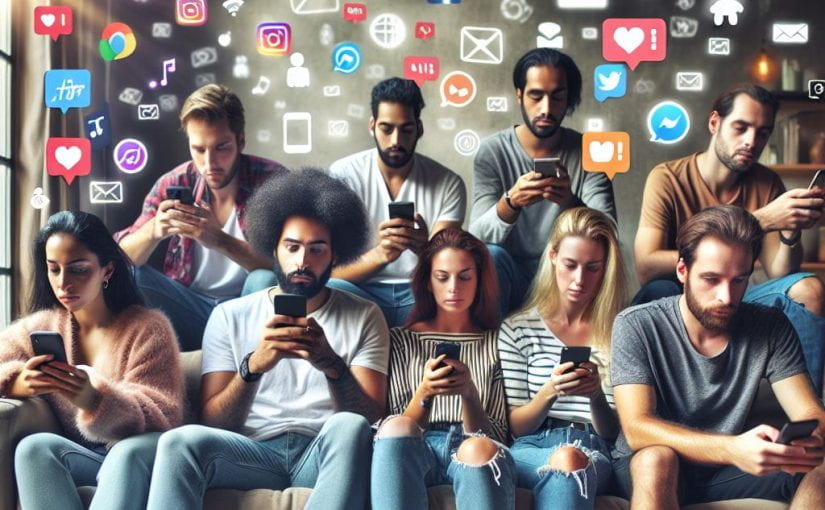
In today’s fast-paced, technology-driven world, digital media is ever-present, woven into the fabric of daily life through social media, smartphones, and online platforms. This over saturation of digital media has profoundly shaped modern society, influencing how we communicate, work, and unwind. Platforms and websites like YouTube, Twitch, TikTok, Amazon, Instagram, and Snapchat dominate entertainment, shopping, and social interaction, with users averaging 2.3 hours daily on social media alone (Zsila & Reyes, 2023). While digital media offers numerous benefits—facilitating connection, collaboration, and convenience—it also presents challenges, particularly to mental and physical health. 

Living amidst constant connectivity, many find it difficult to balance the demands of a heavy workload with the allure of staying updated on the latest trends. Personally, as someone deeply immersed in technology, I strive to grow and learn continually. However, the relentless pace often leaves me stretched too thin, resulting in time away from my family and neglecting my own well-being. This busy lifestyle isn’t inherently a bad thing, but without balance and boundaries, it can detract from what truly matters. As a parent of daughters growing up in a digital age, and an educator of digital technology, I am committed to modeling healthy habits, helping them and others navigate digital media thoughtfully, and prioritizing time for family and personal growth. 

We will explore the effects of digital media saturation on well-being, examining how a media-saturated environment impacts mental and physical health and identifying practical strategies to establish boundaries that safeguard health and improve quality of life. By addressing these issues, we aim to deepen our understanding of digital media’s influence and uncover ways to foster a healthier, more balanced relationship with technology. 

The Impact of Digital Media on Mental Well-Being 

As much as we enjoy being on our phones or spending time on our television screens, it is known that the excessive use of digital media has significant psychological consequences, contributing to heightened stress, anxiety, and feelings of loneliness. One major driver is the fear of missing out (FOMO), a problematic attachment to social media associated with negative experiences such as emotional tension, diminished sleep quality, and reduced life competency (Padmanabhan, 2023). Constant exposure to idealized online content causes social comparison, which can affect self-esteem and contribute to anxiety and depression in a person. For example, a Michigan State University study reported a 70% increase in depressive symptoms among heavy social media users, underscoring the risks of overuse (Padmanabhan, 2023). 

Digital media also impacts interpersonal connections, as smartphone usage often disrupts meaningful face-to-face interactions. Research from the Homenet study revealed that even moderate internet use—three hours per week—was linked to increased depression and decreased social support (Padmanabhan, 2023). The emotional benefits of face-to-face interactions are diminished when devices compete for attention, leaving individuals feeling isolated and stressed. 

Beyond emotional health, mental fatigue and cognitive overload are common outcomes of a digitally saturated environment. The constant stream of information can overwhelm the brain, reducing attention spans and limiting the mental downtime needed for self-reflection and effective information processing (Marquez, 2024).  

The overuse of digital media can also impact social interactions and emotional well-being, often reducing face-to-face connections and affecting emotional intelligence. Excessive reliance on digital communication can create emotional imbalances, as meaningful, in-person interactions are replaced by virtual exchanges (Padmanabhan, 2023). This shift can hinder the development of key social skills essential for maintaining strong relationships. 

Some of these virtual exchanges can take place on social media as well as gaming and can contribute to self-esteem issues. Platforms that reward validation through likes, comments, and shares often encourage users to present curated, idealized versions of themselves and can be considered a form “digital narcissism” (Siahaan et al., 2023). This can further be displayed through the number of filtered selfies and carefully crafted posts, which promote upward social comparisons where individuals measure themselves against others they seemingly view as superior. These naturally addicting habits can lead to feelings of inadequacy, which therefore can lead to anxiety, depression, and build low self-esteem. In addition to manufactured social comparisons, negative feedback, such as critical comments or dislikes, can also trigger emotional distress. While constructive criticism can aid growth, hurtful remarks often require resilience and, in extreme cases, intervention to report cyberbullying, which affects 1 in 10 teenagers every two months (Siahaan et al., 2023). 

Gaming introduces additional social challenges as some players with social anxiety or phobias create avatars that represent their ideal selves, enabling them to engage more confidently in virtual worlds (Padmanabhan, 2023). While this can be empowering, over-reliance on these digital personas may distance individuals from addressing their real-world challenges, establishing a sense of dependence on their online alter egos. Furthermore, gaming can sometimes provoke aggressive tendencies, particularly when players encounter criticism of their values or beliefs, reinforcing the need for emotional regulation in these spaces. 

Much like the aggressive tendencies that could be developed while gaming, the widespread accessibility and convenience of digital platforms have also led to a rise in addictive behaviors and dependency on devices. Whether media consumption is through gaming, binge-watching movies and shows, or scrolling endlessly on social media, digital entertainment offers a constant stream of stimulating and engaging content that can detract from other essential activities. These habits often encroach on sleep, physical exercise, and time with loved ones, negatively affecting academic performance, physical health, and personal relationships. For instance, children addicted to gaming or excessive screen time may display language changes and declining focus in school or social interactions, along with the aggressive tendencies in behavior (Padmanabhan, 2023). 

Social media platforms are particularly adept at creating dependency, using likes, comments, and notifications — as earlier discussed — to trigger dopamine-driven reward systems (Saba, 2024). This design encourages compulsive checking and extended screen time, often at the expense of productivity and emotional well-being. Similarly, the allure of binge-watching on platforms like Instagram reels or Netflix further increases this problem, taking hours away from meaningful pursuits and perpetuating a cycle of distraction and procrastination. 

With this constant exposure to digital media, it’s not just about how much time we spend online, but the quality of our interactions. Passive scrolling through endless content often leaves us feeling drained, whereas meaningful engagement can have a more positive effect. These behavioral shifts highlight the need to be intentional with how we use digital media and to set boundaries that help us avoid the negative effects of over-dependence on technology. 

The Impact of Digital Media on Physical Well-Being 

Digital media’s influence on our mental state often extends to physical health, creating a profound ripple effect. Prolonged screen time can inhibit engagement in physical activities, causing a sedentary lifestyle. Since physical health is closely tied to mental well-being, challenges in one area can directly affect the other, influencing an individual’s overall lifestyle and social interactions. Strong mental health often supports better physical health, highlighting the importance of maintaining balance between the two. 

One common issue is digital eye fatigue, caused by prolonged screen exposure and the harmful effects of blue light (Siahaan et al., 2023). This can result in eye strain, headaches, and decreased visual acuity, which may impair daily activities and increase the risk of eye complications, particularly in adolescents. 

Poor posture is another consequence of excessive device use, leading to conditions such as text neck and carpal tunnel syndrome (Siahaan et al., 2023). Extended periods of physical discomfort, like back pain or chronic headaches, are linked to heightened levels of chronic inflammation markers, potentially increasing the risk of cardiovascular disease and other chronic illnesses. 

Sleep disturbances are also prevalent. Excessive screen time, particularly before bedtime, disrupts natural sleep-wake cycles by suppressing melatonin release (Wheeler, 2023). Over time, this can lead to chronic sleep deprivation, insomnia, and cognitive impairments (Saba, 2024). Poor sleep not only affects emotional functioning, but can also increase daytime fatigue, further impairing productivity and overall health. 

Prolonged stress can also often stem from mental health challenges linked to digital consumption and can elevate blood pressure and lead to hypertension (Siahaan et al., 2023). This condition not only impacts adults but is increasingly observed in younger individuals with the potential of long-term damage to vital organs like the heart and kidneys. 

As mentioned earlier, excessive screen time can contribute to decreased physical activity, promoting a sedentary lifestyle. The endless allure of scrolling or binge-watching can discourage exercise and encourage further unhealthy behaviors, such as irregular eating patterns and insufficient movement. This lifestyle can result in weight gain, increased BMI, and even obesity (Siahaan et al., 2023). 

The sedentary nature of prolonged digital engagement also dampens the production of mood-regulating chemicals like serotonin and endorphins, exacerbating feelings of anxiety and depression (Saba, 2024). Together, these patterns highlight the critical need to establish healthier routines that prioritize physical activity and mindful digital consumption. 

Strategies for Setting Boundaries and Protecting Health 

Effectively managing time in today’s digital age requires intentional strategies to balance technology use with other meaningful activities. Here are some practical techniques to enhance time management and foster healthier digital habits: 

Implementing Screen Time Limits 

Setting boundaries for social media use is key to reducing dependency. Utilize alarms or timers to monitor the time spent on social media daily and gradually build the habit of limiting usage. Tools such as built-in screen time trackers on devices allow users to set app-specific or overall usage limits, helping to identify and adjust excessive patterns (Siahaan et al., 2023). 

To minimize distractions, adjust notification settings to only allow alerts for essential communications (Wheeler, 2023). Reducing unnecessary interruptions can improve focus and productivity. For a deeper impact, consider temporarily disconnecting from social media and replacing that time with face-to-face interactions, such as spending quality time with supportive family or friends. 

Leveraging AI Tools 

AI-powered tools can streamline repetitive tasks, enabling individuals to focus on activities that matter most. Whether it’s automating mundane responsibilities or managing schedules, these tools offer opportunities to reduce workload efficiently. However, the goal should not simply be to accomplish more but to allocate saved time to pursuit personal interests like hobbies, family-time, or self-care. 

Scheduling Regular Digital Detoxes 

Occasional digital detoxes can significantly reduce stress, improve sleep, and boost overall well-being. It is recommended to start small with brief periods of disconnection, like a few hours or a single day, and gradually increase the duration. For instance, reducing social media use to 30 minutes daily for two weeks has been shown to enhance sleep quality, lower stress, and increase life satisfaction (Coyne & Woodruff, 2023). 

Taking trips or vacations where device usage is minimized can also provide an opportunity to reconnect with oneself and others in more meaningful ways. Such intentional breaks from technology can naturally impact stronger personal relationships and encourage greater engagement with the physical world. 

Practicing mindfulness in our interactions with technology allows us to regain control over digital habits and prioritize well-being. Here are some actionable strategies to promote intentional technology use: 

Practicing Digital Mindfulness 

Digital mindfulness involves being present and intentional while using devices. Engaging in mindfulness practices such as meditation or deep breathing exercises, can help to manage stress and resist the urge for constant digital stimulation. 

It is recommended to take time to reflect on how your digital media habits impact a person’s mood, productivity, and relationships (Anandpara et al., 2024). This self-awareness can help to identify areas that require adjustment and guide healthier usage patterns. 

Limiting Multitasking to Improve Focus and Reduce Stress 

Multitasking can lead to fragmented attention and increased stress. Instead of constantly reacting to notifications, designate specific times to check your phone or social media. Structured breaks from notifications enhance focus on primary tasks, reducing stress and improving productivity (Wheeler, 2023). 

Educational Tools and Resources for Digital Wellness 

Numerous online platforms and resources (such as EdTech ‘N Ian!) can also help support the development of healthier digital habits and can assist individuals in creating well informed decisions about their technology use. For example, this blog offers guidance on digital literacy and wellness, while major technology providers like Apple, Google, and Microsoft provide dedicated resources to the technologies that most people use. 

Google Digital Well-Being helps users manage their technology use and maintain balance in daily life. Dedicated for users with Android devices, it offers tools like screen time tracking, Focus Mode, Bedtime Mode, app timers, and parental controls. These features encourage mindful usage and healthier digital habits. 

Apple Education is a forum designed for educators with the purpose for teaching and learning, particularly for those using Apple products like the iPhone. It covers a range of topics, including digital well-being, exploring Apple device tools and features, and other educational resources to support effective technology integration. 

The Windows Learning Center is another resource offering a collection of articles and tutorials on Windows products, along with information and tools to support digital literacy. 

Balancing physical activity, sleep hygiene, and technology use is essential for maintaining overall well-being. Incorporating these strategies can help mitigate the effects of sedentary behavior and excessive screen time: 

Regular Physical Activity and Exercise 

Counteracting the negative effects of prolonged screen use starts with incorporating physical activity into daily routines. Finding hobbies that engage the body and mind, such as sports or outdoor adventures, can reduce reliance on social media while promoting a sense of freedom and comfort (Siahaan et al., 2023). 

Examples of alternative activities include: 

  • Exercising or meditating to relieve stress. 
  • Spending time outdoors, enjoying fresh air and nature. 
  • Exploring creative pursuits like painting, writing, or gardening. 

These activities not only boost physical health but also enhance mental clarity and provide opportunities for meaningful connection with others. 

Ensuring Quality Sleep Hygiene 

Establishing good sleep hygiene is also vital for mental and physical health. Screen use late at night can disrupt natural sleep cycles by delaying the release of melatonin, a hormone essential for restful sleep (Wheeler, 2023). To improve sleep quality, it is recommended to: 

  • Set a cut-off time for device use, at least 1-2 hours before bed. 
  • Create a calming pre-sleep routine, such as reading, meditation, or gentle stretching, to help your body transition into rest mode. 
  • If device use is necessary in the evening, enable blue light filters or use blue light-blocking glasses to minimize disruption to your circadian rhythm. 

Using Technology for Health Tracking 

Earlier, we discussed that while excessive screen time can negatively impact mental and physical health, using technology mindfully and productively can help maintain overall well-being. Numerous tools are available to support healthier lifestyles, particularly in promoting physical health: 

  • Fitness Trackers: Devices like the Apple Watch and Fitbit monitor activity levels, heart rate, and sleep patterns, helping users stay active and maintain balance. 
  • Sleep Monitors: Apps and wearables can also analyze sleep quality, providing insights to help establish healthier nighttime habits. 
  • Mental Health Apps: Software applications like Apple’s Mindfulness app and the Calm app offer guided meditations, mindfulness exercises, and stress management tips, empowering users to prioritize mental well-being. 

Establishing boundaries with social media is essential for maintaining emotional balance and can build toward developing a healthier relationship with technology. Regularly reviewing and refining the content and accounts people follow helps to ensure their feed promotes positivity and enrichment. By curating this online experience, people can reduce exposure to harmful or unproductive content. 

For those seeking more significant change, individuals should consider temporarily or permanently stepping away from social media. These strategies include uninstalling apps from devices, avoiding purchasing data packages, or spending time in areas without Wi-Fi access (Siahaan et al., 2023). These measures can naturally reduce the intensity of social media use, creating space for other fulfilling activities. 

Additionally, prioritizing face-to-face interactions can enhance emotional well-being. This can be done by designating specific areas in a person’s home, such as the dining room or bedroom, as device-free zones. This practice not only encourages meaningful conversations with loved ones but also promotes better sleep hygiene (Wheeler, 2023). 

Making these conscious efforts to engage in in-person activities and conversations with friends and family helps strengthen personal relationships, provide emotional support, and contribute to a sense of community and belonging. Prioritizing offline connections can establish a healthier balance between the digital and physical worlds. 

Conclusion 

In conclusion, while digital media and social media can have negative impacts on both mental and physical health, it is important to acknowledge the positive aspects as well. Digital media has the potential to contribute to mental well-being by providing opportunities for social connections, building efficiency in workflows, providing peer support, leisure entertainment, and creating spaces for meaningful discussions around health challenges or life events. These online communities can offer a sense of belonging and emotional support, reducing feelings of stigmatization (Zsila & Reyes, 2023). Positive interactions, mutual friendships, and even humor on social platforms can also help alleviate stress and promote well-being. 

However, to fully benefit from these advantages, it is crucial to set boundaries and take control of our digital habits. By implementing mindful practices, establishing limits on screen time, taking breaks for digital detoxes, and prioritizing activities that support well-being, we can create healthier digital environments and improve our overall quality of life. These steps will encourage more face-to-face interactions, strengthening our relationships with loved ones. Achieving this balance can foster a sense of satisfaction for all individuals, enhancing self-esteem and leading people toward a more positive perception of themselves and their lives. 


References 

Anandpara, G., Kharadi, A., Vidja, P., Chauhan, Y., Mahajan, S., & Patel, J. (2024). A comprehensive review on Digital Detox: A newer health and wellness trend in the current era. Cureus. https://doi.org/10.7759/cureus.58719  

Coyne, P., & Woodruff, S. J. (2023). Taking a break: The effects of partaking in a two-week social media digital detox on problematic smartphone and social media use, and other health-related outcomes among young adults. Behavioral Sciences, 13(12), 1004. https://doi.org/10.3390/bs13121004  

Marquez, P. V. (2024, March 12). Mental health and wellbeing risks from rising digital and social media usage. PV Marquez. http://www.pvmarquez.com/socialmediausagementalhealth  

Padmanabhan, T. (2023). A study of Health and technology use:  impact of digital media on Mental Health. Tuijin Jishu/Journal of Propulsion Technology, 44(4), 2769–2775. https://doi.org/10.52783/tjjpt.v44.i4.1349  

Saba. (2024, August 1). How does social media affect mental health? understanding the impact and finding balance. Take Root Therapy. https://www.losangelesmftherapist.com/post/how-does-social-media-affect-mental-health-understanding-the-impact-and-finding-balance/  

Siahaan, L. I., Hanoum, M., Syukur, M., Alimuddin, A., & Wijayanti, L. A. (2023). Human behavior in the digital age: Study of social media users’ behavior and its impact on mental and physical health in the future. ENDLESS: INTERNATIONAL JOURNAL OF FUTURE STUDIES, 6(1), 209–223. https://doi.org/10.54783/endlessjournal.v6i1.138  

Wheeler, T. (2023, May 5). What is a digital detox?. WebMD. https://www.webmd.com/balance/what-is-digital-detox  

Zsila, Á., & Reyes, M. E. (2023). Pros & Cons: Impacts of social media on Mental Health. BMC Psychology, 11(1). https://doi.org/10.1186/s40359-023-01243-x 

Teaching Students to Evaluate and Navigate Digital Misinformation 

In today’s digital world, information is everywhere! With content pouring in from social media, websites, academic articles, and everyday blogs, engaging and confronting misinformation and fake news is inevitable. The rise of generative AI in recent years has only accelerated the spread of unverified information, making it easier for users to engage with unreliable content and making it difficult to detect what’s misleading. Social media has become the main platform for sharing news, with algorithms that push attention-grabbing content, and often sharing engaging information without stopping to check if it’s true. This setup, geared for maximum engagement and driven by the desire to “go viral,” is a perfect recipe for misinformation to flourish (Galaz et al., 2023, p. 10). Recent studies show that the top 1% of false news stories can reach between 1,000 and 100,000 people—far outpacing the reach of accurate news (Vosoughi et al., 2018). Even more concerning, between 40% and 60% of adults in developed countries now rely on social media for their news, underscoring the urgent need for media literacy (Galaz et al., 2023, p. 7). 

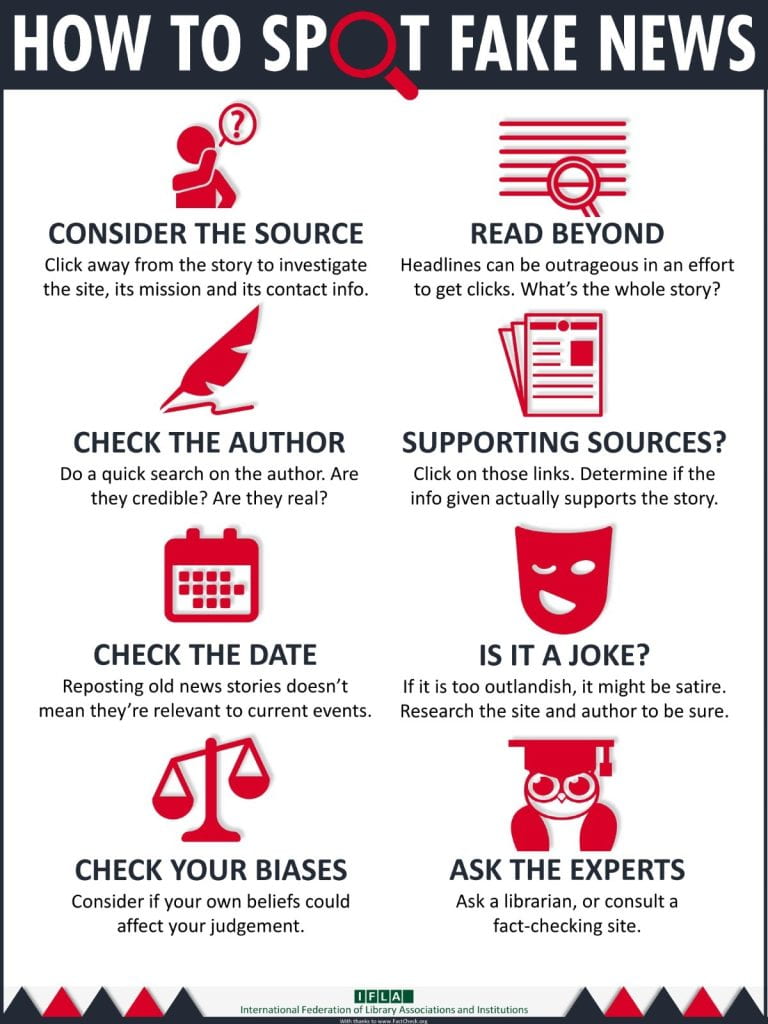
Given these trends, educators must prepare students to critically evaluate online content. Integrating these skills into daily lessons empowers students to recognize credible sources and challenge misinformation. This article explores strategies for embedding content evaluation in the curriculum and highlights tools to support teachers and students in combating misinformation. 

The Impact of Misinformation 

Psychological Impact 

Understanding why people fall for misinformation is crucial, as it affects individuals of all ages and can have significant consequences. Our beliefs are shaped not only by our own reasoning, but also by the perspectives and beliefs of those around us (Galaz et al., 2023, p. 8). Our brains are programmed to seek out information that receives social approval, which means that online likes, comments, and shares often influence what we consider true or false. This social reinforcement creates a feedback loop that can lead us to accept information that either aligns with our existing beliefs and biases or attempts to persuade us to accept sources that may not be credible (Galaz et al., 2023). 

People are naturally drawn to content that is both new and emotionally charged, making misinformation particularly enticing. When information is unexpected or packed with strong emotions—especially negative ones—it captures our attention and activates specific brain regions involved in visual processing and attention (Galaz et al., 2023, p. 8). Social media platforms capitalize on this instinct, pushing out more content that speaks to our emotions. The more extreme the emotions, the more likely the content is to be engaged with. 

This connection between emotion and sharing hinges on two key concepts: valence and arousal (Urakami et al., 2022). Valence refers to whether an emotion is perceived as positive or negative, while arousal describes the intensity of that emotion. Studies have shown that videos with positive valence and high arousal are shared 30% more often than those that evoke negative emotions or lower levels of arousal (Urakami et al., 2022). This pattern highlights how emotionally engaging content drives interaction and facilitates the spread of misinformation. 

As human’s dependent on our social identity, we are motivated by content that enhances our sense of belonging and elevates our status.  This can naturally cause us to sustain our social goals by reaching our social standing, or fitting in with a particular group, even at the sacrifice of pursuing the truth. This means that our actions and attention can shift and align with those goals. This psychological tendency makes us vulnerable to misinformation, especially when it resonates with our identity or aligns with social norms (American Psychological Association, 2024). Ultimately, misinformation not only grabs our attention, but also spreads rapidly through social networks, reinforcing biases and shaping beliefs in ways that can lead to unintended consequences. 

The Complexities of AI  

Adding to the psychological impact, the rise of generative AI has intensified the spread of misinformation, making it challenging to distinguish between real and fabricated content. With major companies like OpenAI, Google, and Microsoft releasing large language models and open-source developers creating models for personal devices, AI tools are now widely accessible (Galaz et al., 2023, p. 17). This access enables users to produce realistic texts, images, and deepfake videos that appear genuine, allowing polished, misleading content to go viral and overwhelm users without specialized tools to verify authenticity. 

The speed and volume at which AI can generate content add to the difficulty of filtering misinformation effectively, contributing to three significant challenges for information integrity. First, the sheer volume of information makes it increasingly difficult for users to filter out falsehoods. Second, detecting misinformation becomes complicated when AI can seamlessly blend fact with fiction. Lastly, this continuous flood of misleading content creates a negative emotional impact on users, affecting not only their feelings, but also their trust in information and their perception of others (Urakami et al., 2022). Together, these factors underscore the urgency for enhanced digital literacy to help users navigate the complexities of our AI and social media driven society. 

Integrating Online Content Evaluation in the Classroom 

As educators, it is our responsibility to prepare students to recognize and counter misinformation, helping them stay grounded in truth and empowering them to make informed decisions. This can be achieved by promoting media literacy, encouraging metacognitive awareness, and incorporating daily practices that sharpen their evaluative skills. By fostering critical thinking and media literacy, we equip students to navigate a media-saturated world with confidence and discernment.  

Critical Thinking and Metacognitive Skills 

At the heart of tackling misinformation is the need to cultivate critical thinking and metacognitive skills. Beyond analyzing content, students benefit from being in a “metacognitive state”, which is thinking about their own thinking as they process information (Urakami et al., 2022). Research has shown that metacognitive processes can improve a person’s ability to identify false information and respond thoughtfully. By prompting students to actively reflect on how they arrive at conclusions, educators can help them approach information critically, recognizing their biases and assumptions as they evaluate content. 

One effective approach to building these skills is through problem-based learning and interactive modules, which have proven successful in enhancing critical thinking (Scheibenzuber et al., 2021). These methods prompt students to engage deeply with real-world scenarios, encouraging them to investigate, question, and analyze information. When used consistently, these activities can help students develop habits that become second nature in their information processing. 

Daily Practices for Media Literacy 

Integrating content evaluation into daily classroom routines reinforces critical thinking as a skill students can apply beyond school. One simple way to begin is by analyzing real-world media, such as using trending news stories as case studies for fact-checking and source verification. This allows students to compare coverage from various sources, evaluate bias, and identify credibility markers. By analyzing multiple sources covering the same topic, they gain a richer perspective on how different viewpoints emerge and learn the significance of cross-referencing (Black, 2024). This process includes evaluating a range of media types, such as online articles, newspapers, videos, and social media posts, to ensure students are equipped to evaluate information across platforms. 

Students should also be encouraged to ask essential questions about the credibility of sources: Who is the author? What are their qualifications? Is there potential bias? Additionally, educators can guide students to examine website features, such as the “About Us” and “Contact Us” sections, as well as publication dates, to verify the source’s validity. To further strengthen these skills, instructors can teach techniques for detecting misleading content, such as analyzing photos for inconsistencies or unnatural proportions—a skill increasingly relevant with AI-generated images (Galaz et al., 2023, p. 18). 

By incorporating these evaluative practices into everyday assignments, students become familiar with the steps necessary to critically examine digital content. For example, they may analyze the claims in an article, cross-reference facts, and identify indicators of bias or manipulation, which reinforces their media literacy skills. 

Engaging Classroom Discussions 

In-class discussions provide a valuable opportunity for students to share their initial thoughts and evaluate them in a broader context. These discussions allow students to engage in metacognitive reflection by comparing their perceptions with those of their peers (Urakami et al., 2022). Regularly addressing topics like “myths vs. facts” in class discussions encourages a questioning attitude and fosters a collaborative approach to understanding complex issues. 

Discussing trending news, viral posts, and even controversial issues helps students appreciate diverse viewpoints and consider the motivations behind different media sources (Black, 2024). When students learn to critically assess and articulate their viewpoints, they strengthen their ability to analyze information independently, which is an essential skill for lifelong learning in the digital age. 

Gamifying Media Literacy 

Video games can also serve as a powerful tool in cultivating critical thinking, media literacy, and motivation for self-learning. Some interactive games focus on helping players distinguish between true and false information, allowing students to practice these skills in a safe, engaging environment (Contreras-Espinosa & Eguia-Gomez, 2023). In fact, research has shown that video games incorporating content such as fake news detection, digital privacy, and media habits can effectively enhance critical thinking skills and help users learn to process and evaluate information. 

When used intentionally, video games provide a unique, immersive experience that can increase student engagement. Games such as Influence Inc., Fake It to Make It, Cat Park, Bad News, and BBC iReporter are designed to simulate scenarios that require players to make choices about the reliability of information (Contreras-Espinosa & Eguia-Gomez, 2023). These games present fictional situations where students must evaluate and verify content, offering opportunities to apply their knowledge in identifying misleading information. This interactive environment not only makes learning enjoyable, but also reinforces the skills needed to recognize bias, check sources, and challenge assumptions, all of which are essential for navigating digital content effectively. 

Creating a Culture of Informed Evaluation 

By integrating these practices into the classroom, educators lay the groundwork for a culture of informed evaluation. Students learn to approach information critically, think about the process of their understanding, and appreciate the importance of accuracy when navigating online. In doing so, they become more resilient against misinformation, able to distinguish credible sources from questionable ones, and better prepared to engage with media responsibly and thoughtfully. 

Tools and Frameworks for Detecting and Challenging Misinformation 

Educators have a wealth of tools and frameworks at their disposal to help students develop essential skills for evaluating online content critically. As misinformation increases rapidly across social media, equipping students with these resources can empower them to handle the infodemic responsibly, enhancing their critical thinking and metacognitive skills without sacrificing the benefits of digital engagement. 

Frameworks for Evaluation 

Incorporating structured frameworks provides students with a systematic approach to evaluating information online. These frameworks can be introduced early in the curriculum, reinforcing consistent habits that strengthen students’ ability to question, verify, and critically assess content. 

  1. CRAAP Test 

The CRAAP test encourages students to evaluate information based on Currency, Relevance, Authority, Accuracy, and Purpose (Hsu, 2022). This framework helps students assess whether information is reliable, recent, relevant, and free from bias. 

  • Currency: Students consider when content was published and if it has been updated recently, as well as whether the website remains current and active. 
  • Relevance: This aspect addresses whether the information is pertinent to the topic and applicable to current events or studies. 
  • Authority: Examining the source’s credibility, students determine if the author or organization is reputable, with a reliable web domain (.edu, .gov, or .org) indicating a more credible source. 
  • Accuracy: Students are encouraged to cross-reference facts across multiple sources, watch for typographical errors, and validate content integrity. 
  • Purpose: Understanding the intent behind information is essential to recognize potential bias. For example, students learn to identify affiliations that might affect content tone, such as advocacy groups versus nonpartisan organizations. 
  1. SIFT Method  

The SIFT method—Stop, Investigate the Source, Find Better Coverage, and Trace Claims—helps students approach new information with caution before believing or sharing it (Caulfield, 2021). 

  • Stop: Before engaging with content, students pause to consider if they recognize the website or source. 
  • Investigate the Source: Students are guided to explore the source’s credibility, check author backgrounds, and examine affiliations. 
  • Find Better Coverage: If uncertain, students look for more reliable sources to verify claims. This can be especially valuable when comparing well-known outlets to lesser-known sites. 
  • Trace Claims and Media: Students learn to track claims back to their origins, allowing them to gain a full understanding of the context behind quotes, images, and video clips that might be cropped or altered. 
  1. IFLA’s Fake News Identification Steps  

The International Federation of Library Associations (IFLA) provides an infographic outlining steps for spotting fake news, offering educators a concise, visual tool to reinforce the evaluation process. This infographic simplifies verification steps, making it accessible for students to follow in real-time situations (International Federation of Library Associations and Institutions, 2017). Placing the infographic as a poster on the classroom wall is encouraged, allowing students to refer to it whenever needed. 

This image has an empty alt attribute; its file name is image-768x1024.jpeg

Technology Tools for Fact-Checking and Source Verification  

Several digital tools allow educators to integrate hands-on activities for verifying facts and sources. These tools enable students to obtain and practice real-world skills for vetting content on social media, news websites, and other digital platforms. 

  1. Common Sense Media  
  1. Fact-Checking Websites 

Various nonpartisan fact-checking websites provide valuable resources for teaching students how to confirm the accuracy of statements, claims, and articles. 

This site verifies statements and claims by major U.S. political figures, applying journalistic and academic best practices. 

Known for its focus on urban legends, viral claims, and misinformation, Snopes provides clear evidence and source links to help users explore a topic further. 

Developed by the News Literacy Project, RumorGuard focuses on helping students recognize and stop misinformation. It offers fact-checked viral rumors and practical tips for evaluating online claims, supporting students’ ability to discern credible information. 

This search tool allows students to look up claims and see related fact checks from reliable sources, making it easy to confirm the validity of statements and avoid misinformation. 

  1. Browser Extensions 

Web extensions provide real-time analysis of websites, articles, and social media posts, offering quick insights into content credibility and bias as students navigate online. 

This Chrome extension uses neural networks to detect possible misinformation without relying on external databases, preserving user privacy while helping students identify potentially false content. 

This extension flags articles based on bias levels (e.g., Least Biased, Left Bias, Right Bias) and sources, helping students recognize the political leanings of different news providers. 

Conclusion 

In today’s increasingly media-driven world, equipping students with the skills to evaluate digital content is more critical than ever. By fostering media literacy, educators can empower students to identify credible information, critically assess sources, and engage thoughtfully with digital content. The tools and frameworks discussed—such as the CRAAP test, SIFT method, and various digital fact-checking resources—provide practical approaches to build these essential skills in the classroom. Ultimately, media literacy not only sharpens students’ ability to recognize misinformation, but also fosters the growth of responsible, informed digital citizens. 

Educators play a pivotal role in this process by making digital media evaluation a priority. Teaching these skills supports students in questioning cognitive biases, allowing them to consider alternative viewpoints and challenge pre-existing beliefs (Urakami et al., 2022). By guiding students to engage with differing perspectives, we encourage deeper metacognitive engagement, prompting them to re-evaluate their positions and recognize the influence of emotions on their thought processes.  

As misinformation evolves, students of all ages must be equipped to navigate online media responsibly. The skills they develop today will not only protect them from falling prey to false information but will also prepare them for a future where critical discernment is essential. By prioritizing media literacy in education, students can have a lasting impact which will empower them to think independently, make informed decisions, and navigate the digital world with intelligence and responsibility.  


References 

American Psychological Association. (2024, March 1). How and why does misinformation spread?. American Psychological Association. https://www.apa.org/topics/journalism-facts/how-why-misinformation-spreads  

Black, K. (2024, February 26). Teaching information literacy in an age of misinformation . Faculty Focus | Higher Ed Teaching & Learning. https://www.facultyfocus.com/articles/effective-classroom-management/teaching-information-literacy-in-an-age-of-misinformation/  

Caulfield, M. (2021, February 15). SIFT (the four moves). Hapgood. https://hapgood.us/2019/06/19/sift-the-four-moves/  

Contreras-Espinosa, R. S., & Eguia-Gomez, J. L. (2023). Evaluating video games as tools for education on fake news and misinformation. Computers, 12(9), 188. https://doi.org/10.3390/computers12090188  

Galaz, V., Metzler, H., Daume, S., Olsson, A., Lindström, B., & Marklund, A. (2023). AI Could Create a Perfect Storm of Climate Misinformation. https://arxiv.org/pdf/2306.12807  

Hsu, Y.-P. (2022, January 6). How to evaluate website content with a quick process. C2C Digital Magazine (fall 2021 / Winter 2022) . https://scalar.usc.edu/works/c2c-digital-magazine-fall-2021–winter-2022/evaluate-website-content  

International Federation of Library Associations and Institutions (IFLA). (2017, March 1). How to spot fake news. https://repository.ifla.org/items/c5dbfa34-7d00-47ac-8057-0183a5056438  

Scheibenzuber, C., Hofer, S., & Nistor, N. (2021, March 29). Designing for fake news literacy training: A problem-based undergraduate online-course. Computers in Human Behavior. https://www.sciencedirect.com/science/article/pii/S0747563221001199?via%3Dihub  

Urakami, J., Kim, Y., Oura, H., & Seaborn, K. (2022). Finding strategies against misinformation in social media: A qualitative study. CHI Conference on Human Factors in Computing Systems Extended Abstracts, 1–7. https://doi.org/10.1145/3491101.3519661  

Vosoughi, S., Roy, D., & Aral, S. (2018). The spread of true and false news online. Science, 359(6380), 1146–1151. https://doi.org/10.1126/science.aap9559